
Scholarships Take Preparation, Persistence and Community Support
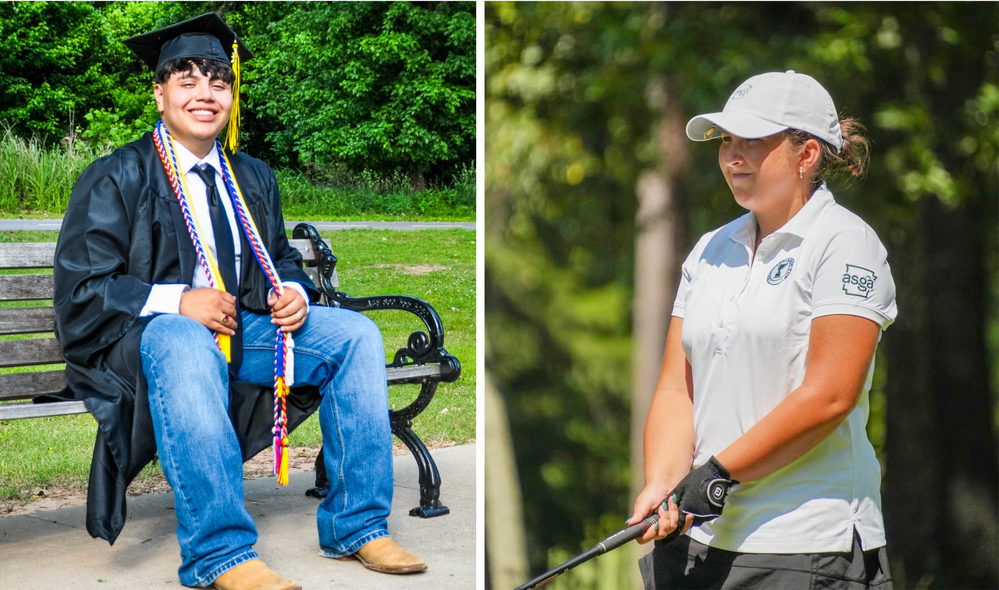
Christopher Carillo (left) and Ana Bella Gutiérrez
También puedes leer este artículo en español aquí.
For many students, earning a scholarship begins long before senior year. It starts with asking questions, planning ahead and taking advantage of the resources available throughout high school.
Students Ana Bella Gutiérrez, Christopher Carrillo and Mia Vasquez have found that one of the most important first steps is scheduling a meeting with a school counselor in their school’s Student Services Department. They encourage students to learn about scholarship opportunities early, understand application requirements and stay organized by keeping track of important deadlines.
“The biggest thing is to talk to your college counselor,” Gutiérrez says. “Sometimes, you don’t even know those great scholarships exist, and you could miss an amazing opportunity.”

“Don’t be afraid of rejection, sometimes a closed door is simply a redirection toward something even better.” - Mia Vasquez, student
The students recommend creating a calendar of scholarship deadlines, keeping documents such as FAFSA information and academic records organized, and starting college essays well before applications are due. They also encourage joining school clubs, participate in community service and take on extracurricular activities that reflect their interests and leadership.
Carrillo says students should not limit themselves to the most competitive scholarships. He recommends asking counselors about local opportunities, exploring organizations such as Mamás Unidas and searching for scholarships offered by companies like Coca-Cola, Taco Bell and McDonald's. He also encourages students to apply for smaller awards because they can quickly add up.
“Even if a scholarship is only $500, apply,” Carrillo says. “Ten $500 scholarships add up.”
Vasquez says preparation also means building relationships with mentors, teachers and community leaders who can offer guidance throughout the process. She encourages students to stay resilient and not let rejection discourage them.
“Don't be afraid of rejection,” Vasquez says “Sometimes a closed door is simply a redirection toward something even better.”
The three students credit Mamás Unidas and Steve Colley, coordinator of the “MIJO” Program, for helping them navigate the college application process, introducing them to programs like MIJO and QuestBridge, and connecting them with mentors and scholarship opportunities. Their experiences show that preparation, perseverance and the right support system can open the door to higher education.
Scholarship Resources to Explore
The earlier you begin your scholarship search, the more opportunities you’ll have to apply and the stronger your applications will be.
Resources to get started:
Mamás Unidas Little Rock College readiness and scholarship support for Latino families.
QuestBridge, National scholarships and college opportunities for high-achieving low-income students.
This guide was published in 2021, so some information may have changed.