
Wear and Tear

(Shutterstock)
También puedes leer este artículo en Español aquí.
Nearly a quarter of people in the United States have chronic back pain, and people working in service, hospitality and trade jobs are often overrepresented among sufferers. Dr. Hector Soriano, a neurosurgeon subspecializing in complex spine conditions at the University of Arkansas for Medical Sciences, says the types of activities required in such occupations are common causes for developing back pain.
Jobs where Latinos are overrepresented, including construction, farming, truck driving and warehouse work are known to cause spine problems, Soriano says. Repetitive lifting, twisting and standing can all cause or exacerbate back pain.
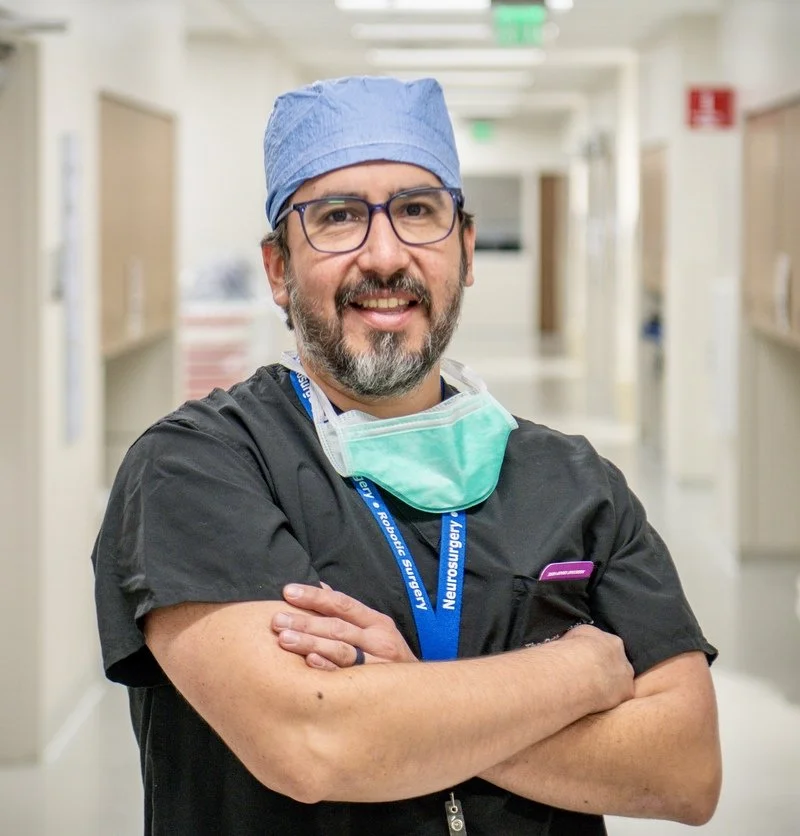
“If your job does not have good ergonomics, you’ll be prone to these problems,” Dr. Hector Soriano, UAMS, says.
While some age-related spinal degeneration is to be expected throughout the population, work-related activities can exacerbate and accelerate problems. Without intervention, back pain can become debilitating, Soriano says.
“Back and spine conditions can affect your whole life: sleeping, walking, driving, performance at work, and of course, that all affects your mood, family life and independence,” he says.
However, early intervention can slow spinal degeneration, and Soriano says current treatments for back pain are typically conservative and rarely rely on heavy medication or surgery. UAMS is particularly suited to treat back conditions; it was ranked in the top 10% of orthopedic care providers nationally in 2025 by U.S. News and World Report.
“We want to keep patients healthy and get them back into their activities as soon as possible, so when appropriate, conservative treatment is all we need. What that means is physical therapy, weight loss, medication if needed,” Soriano says. “We don’t want the disease to progress, but we also want to be conscious; just rushing people straight to the operating room doesn’t help anybody.”
Even when surgical intervention is required, recovery is much easier than in past decades thanks to technological advances.
“Because of technology, we have safer surgeries targeted to the problem of the patient, with small incisions, faster recovery, less complications,” Soriano says.
And a few simple precautions in one’s daily life can decrease the risk of chronic back problems. Soriano says prevention starts with consistency.
“Maintain a healthy weight to build core strength. If you’re working out, or your work requires lifting, use proper mechanics: Keep loads close to your body, avoid twisting while lifting, use supportive braces, supportive footwear,” he says. “Smoking is a terrible habit for the spine, most people don’t know that.”
He also recommends low impact exercises, like swimming, walking, cycling and yoga, though he noted that one should always check with their primary care doctor before starting new exercise routines.
UAMS has several clinics specifically related to orthopedic injury and disease, including the Orthopaedic and Spine Hospital, the Back and Neck Clinic and the OrthoNow Clinic, which opened in 2025, offering same-day, walk-in appointments for orthopedic injuries. Soriano has even used the service himself: “I needed to come and get an X-ray on a Saturday morning; it was very good and efficient.”
Patient education is also available through UAMS clinics.
“Spine care will be individualized to every single person at UAMS,” Soriano says.
“Serious spine issues should not be ignored; our goal is to relieve pain, restore mobility and help people return to their lives and the work they depend on.”
Workplace Wear and Tear
Some jobs are particularly prone to causing spinal damage, including construction, nursing, warehouse work, manufacturing, farming, truck driving, food service, housekeeping and automotive maintenance.
Activities that commonly cause back pain include lifting, twisting, prolonged standing and working in awkward positions (hunched over, slouching).